Water Treatment Chemicals: Essential for Clean and Safe Water
Clean water is essential for life, yet natural and industrial processes often contaminate our water sources with harmful substances. Whether it’s for drinking, industrial use, or wastewater management, water treatment plays a critical role in ensuring that water is safe, clean, and usable. One of the key components of water treatment is the use of water treatment chemicals.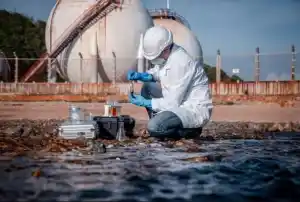
But what are these chemicals, and why are they important? Let’s explore.
What Are Water Treatment Chemicals?
Water treatment chemicals are substances added to water to remove impurities, control pH levels, prevent scale and corrosion, eliminate harmful microorganisms, and improve water quality for various applications.
They are widely used in:
-
Drinking water treatment
-
Industrial water systems
-
Boiler and cooling systems
-
Wastewater treatment plants
Common Types of Water Treatment Chemicals
1. Coagulants and Flocculants
-
Purpose: Remove suspended solids by causing particles to clump together.
-
Examples: Alum (Aluminum Sulfate), Ferric Chloride, Polyacrylamides.
-
Used in: Municipal water treatment and wastewater facilities.
2. Disinfectants
-
Purpose: Kill or deactivate bacteria, viruses, and pathogens.
-
Examples: Chlorine, Chlorine Dioxide, Sodium Hypochlorite, Ozone.
-
Used in: Drinking water systems, swimming pools, and industrial water.
3. pH Adjusters
-
Purpose: Balance the pH level of water for optimal treatment and system protection.
-
Examples: Lime, Soda Ash, Sulfuric Acid.
-
Used in: Industrial water treatment and wastewater processes.
4. Scale and Corrosion Inhibitors
-
Purpose: Prevent the buildup of scale and protect metal surfaces from corrosion.
-
Examples: Phosphates, Silicates, Zinc compounds.
-
Used in: Boilers, cooling towers, and pipelines.
5. Anti-foaming Agents
-
Purpose: Reduce or eliminate foam that can interfere with water treatment processes.
-
Examples: Silicone-based defoamers, non-silicone polymers.
-
Used in: Industrial and wastewater systems.
6. Oxidizing Agents
-
Purpose: Break down organic contaminants and control odor.
-
Examples: Hydrogen Peroxide, Potassium Permanganate.
-
Used in: Wastewater and odor control processes.
Importance of Water Treatment Chemicals
Water treatment chemicals are vital for:
-
Ensuring public health by eliminating harmful contaminants.
-
Protecting equipment from corrosion and scale.
-
Improving efficiency in industrial processes.
-
Meeting regulatory standards for environmental discharge.
Safety and Environmental Concerns
While these chemicals are essential, they must be handled with care. Overuse or improper application can lead to:
-
Water toxicity
-
Chemical residues
-
Environmental harm
It’s important to follow proper dosing guidelines and use certified products.
Conclusion
Water treatment chemicals are a crucial part of modern water purification and industrial water management. Whether you’re treating drinking water or managing wastewater, selecting the right chemical solution ensures clean, safe, and efficient water use.
If you’re managing a facility or planning a treatment system, always consult a professional to determine the right chemical combination for your specific water quality needs.